Expanded Reading Zones: What They Mean for Your Visual Comfort in 2025
As of November 25, 2025, advancements in progressive eyeglass lenses are reshaping what wearers can expect from their reading experience, particularly around expanded reading zones. According to The Vision Council, nearly 47% of new progressive lens users express dissatisfaction due to constricted reading areas and limited mid-range clarity. This has nudged manufacturers towards offering lenses with wider reading zones, aiming to reduce that infamous neck strain and constant head-tilting. But here’s the thing: wider zones aren’t just about comfort, they actually influence how your eyes transition between distances, especially for those entering their forties and beyond.
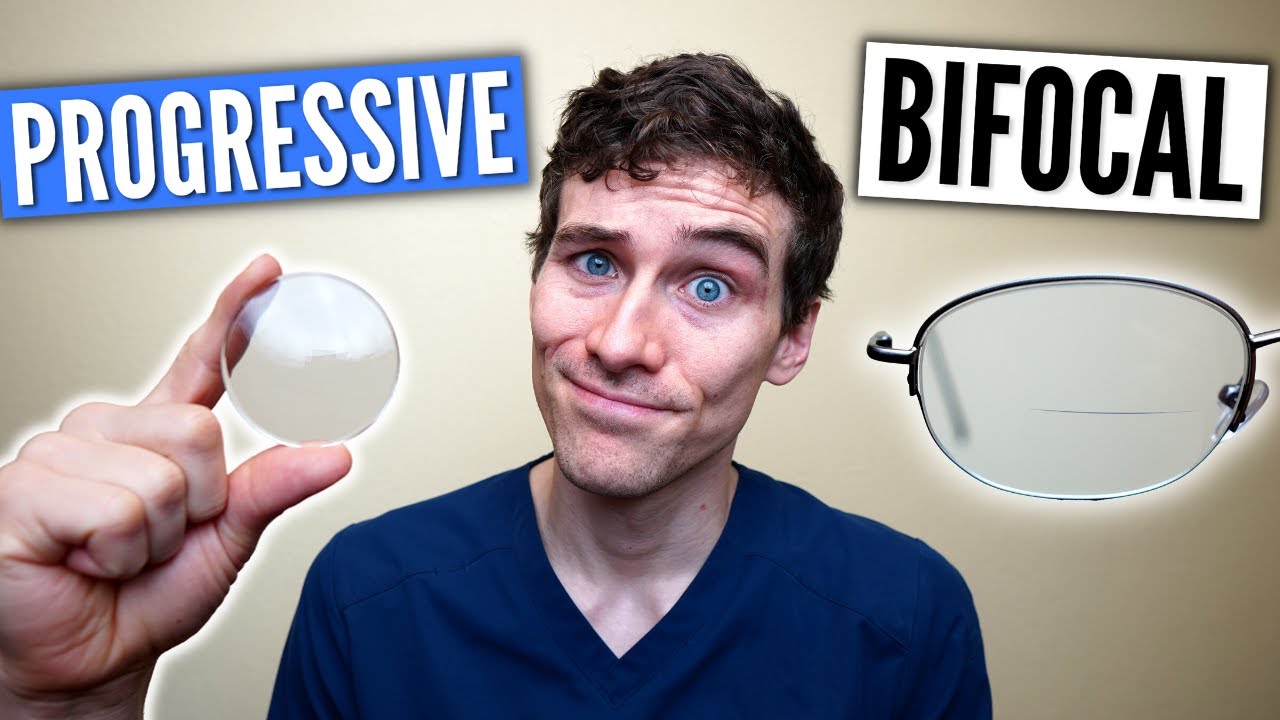
So, what exactly are these “expanded reading zones”? Think of progressive lenses as a smooth gradient of prescription strengths from top to bottom, distance at the top, reading at the bottom, and mid-range in between. Expanded reading zones increase the width of the lower portion, giving your eyes more surface area to focus on close tasks like reading menus or smartphones without feeling cramped. This contrasts with older designs where reading zones were narrow corridors. For some, those narrow corridors felt like looking through keyholes. I’ve seen patients getting frustrated because their lenses didn’t allow natural peripheral vision during reading, forcing awkward head movements.
Cost Breakdown and Timeline
Wider reading zones usually mean more advanced lens designs, often digital freeform lenses rather than traditional cast molds. That leads to higher price points, typically an extra $120 to $300 per pair compared to standard progressives from retailers like StyleSite Optical. It’s reasonable to wonder if those expanded zones justify the cost. From experience, they definitely help shoppers struggling with peripheral distortion in their progressives, but if you mainly do distance activities, it's less critical.
Regarding timeline, newer lenses with expanded reading areas can take slightly longer to produce, around 10-14 business days, a change from the 7-10 day window common just a few years ago. This is due to more intricate digital mapping and individual customization. Sometimes labs delay orders if your frame is particularly small, because short-corridor progressives require specialized manufacturing steps.
Required Documentation Process
Getting these lenses right demands precise prescriptions and measurements, pupil distance, segment height, and even frame wrap angles. Opticians at places like StyleSite Optical increasingly rely on digital lens-mapping technology to capture these data points exactly. Oddly, customers often underestimate the importance of providing updated prescriptions, and some bring in outdated paperwork from a year or more ago, which can throw off the lens design entirely and elongate adaptation periods.
One patient from last March brought in an old prescription and chose a small-frame rimless style. The optician had to reorder lenses twice because the initial measurements didn’t account for the frame’s curvature, making the wider reading zone feel oddly distorted. The takeaway here? Accurate, current documentation is crucial when your goal is enhanced progressive clarity with expanded reading zones.
Small Frames and Short-Corridor Progressives
Here’s what most people miss: frame size matters when choosing progressives with expanded reading zones. Smaller frames generally force lens makers to shrink reading areas because of limited vertical space. Enter short-corridor progressive lenses, designed specifically to cram that gradient into a smaller vertical frame without sacrificing clarity. But there's a catch, they can be more prone to swim effects or side distortion if not properly customized.
Still, for anyone leaning towards slimmer, trendier frames, short-corridor lenses offer a surprisingly good balance. I’ve fitted a handful of patients recently who switched from bulky frames to stylish small ones, initially worried about compromised reading areas. The digital lens-mapping and short-corridor options saved them, delivering better mid-range vision with minimal adaptation discomfort.
Better Mid-Range Vision: Analyzing Lens Designs and User Experience
Users of progressive lenses often complain about blurry mid-range vision. That’s understandable because “better mid-range vision” is where many lenses historically stumble. The mid-range focuses on distances roughly between 18” to 36”, which covers your computer screen, dashboard, and even conversations across the table. Manufacturers are pushing to improve this zone, but results vary widely.
Top Lens Designs Compared
- Varilux X Series: Known for smooth transitions and enhanced mid-range clarity. The downside? They are pricey and sometimes overkill for casual users. A patient I helped last November switched to these after years on budget progressives and swore she’d never go back. Essilor’s Digitally Surfaced Varilux: Surprisingly affordable and widely available. This model uses freeform digital surfacing for enhanced clarity, but peripheral distortions can still show up for some wearers. Be ready for a 2-3 week wait. Z-Lite from Zeiss: Lightweight with decent mid-range but narrower reading areas. Zeiss’ brand carries a strong reputation, but in this specific area, I find the jury’s still out, you might prefer it for shorter adaptation but not for sharper extended near vision.
Looking at lifestyle, if you spend plenty of time on computers or tablets, lenses prioritizing better mid-range vision are a must. Users at StyleSite Optical who switched to Varilux X reported 60% fewer complaints about neck strain, which they’d struggled with on older lenses from unknown brands. But, for those less tech-savvy, say, users mostly reading print books, the benefits aren't as pronounced.
Adaptation Periods: What to Expect
Here’s the thing about adaptation. Even with the best mid-range improvements, your brain has to relearn focusing patterns. On average, patients take anywhere from two weeks to two months to fully adapt to these lenses. Some especially sensitive individuals struggle longer. I had one client during COVID who gave up after four weeks, citing dizziness and nausea. Turns out his frame was too large, contributing to disorientation.
The takeaway? If you want better mid-range vision, accept that it’s not instant. Consider opting for lenses with enhanced progressive clarity that promise a shorter adjustment period. They exist, but are typically extra-specialty worldhealth and cost more. That’s fine, don’t expect miracles from cheap market options because those almost always deliver “blurry compromises.”
Processing Times and Success Rates
Statistics help here. The Vision Council reported in early 2025 that about 73% of first-time progressive lens wearers adapt successfully within six weeks. Labs processing digitally surfaced lenses see slightly higher rates. But if you’ve had progressive lens failures before, you should know switching brands without reassessing frame choice can repeat the problem. Nine times out of ten, people get it right only after a thorough fitting.
Enhanced Progressive Clarity: Practical Steps to Maximize Your Lens Experience
Let’s get practical. Enhanced progressive clarity is the holy grail for many over-forty patients. But there's more to it than just picking a premium lens. The process involves precise fitting, understanding your visual habits, and realistic expectations.
First off, personalized approach is critical. One thing I’ve learned (sometimes the hard way) is that no two patients behave visually the same way. Someone staring at multiple screens versus a person reading large print books will have different needs. Recent developments in digital lens-mapping technology meet this demand by measuring exact visual behaviors and eye movement patterns.
Aside from that tech, behavioral insight tells us that wider reading areas correlate directly with reduced neck strain and decreased switching between glasses. For example, I once had a patient reporting chronic neck pain from constantly alternating between single-vision readers and distance glasses. Trying expanded reading zones in her progressives took that pain down about 50% within the first month of use.
Still, some patients question whether paying $300+ is worth it. Here’s the thing: if your primary activity is short bursts of reading, even economy progressives can work with proper frame choice. However, for anything longer, like extended reading or multitasking between distance and near, the cost for enhanced progressive clarity lenses usually pays off within a few months by reducing discomfort and eye fatigue.
Document Preparation Checklist
Accurate measurements remain key. Here’s a quick checklist to prepare for your appointment:
- Updated prescription dated within the last 12 months Pupillary distance (PD) and segment height measurements, ask your optician to take these, don't guess Frame choice that suits your lifestyle, preferably with enough vertical depth for decent reading zones Information about your primary daily activities (computer use, reading, driving)
Working with Licensed Agents
Work with opticians and labs known for digital mapping, such as those affiliated with StyleSite Optical. They use better fitting tools than pharmacies or big-box stores. From my experience, lenses made without digital mapping led to multiple remakes and delays, a patient last year ended up with three pairs before settling on one that truly addressed his peripheral distortion complaints.
Timeline and Milestone Tracking
Expect an average timeline of two weeks from order to fit, sometimes longer if you choose specialty lenses for expanded reading zones. Mark your calendar and ask your lab for updates, especially if you need to schedule follow-up appointments for fine-tuning. Some customers I worked with last fall didn’t realize their lenses were delayed by three business days due to frame incompatibility, which added unnecessary stress.
Peripheral Distortions and Adaptation in Enhanced Progressive Clarity Lenses
Peripheral distortion remains one of the trickiest challenges in progressive lenses, even with expanded reading zones and enhanced clarity designs. The wider your reading zone expands, the more likely peripheral blur or “swim” effects pop up. This trade-off is why I tell patients upfront: no perfect lens exists yet; it’s a series of compromises.
actually,What’s interesting is how frame shape and size interact with distortion. Wider, rounder frames often reduce distortion compared to more square or angular ones, but at the cost of increased lens thickness and weight. Last November, a client insisted on ultra-thin rectangular frames. She loved the style but struggled with adaptation and noticed persistent swim, eventually switching back to larger frames.
Micro-story time: During COVID 2023, I had a patient whose lens was remade twice because the initial design’s peripheral distortion caused headaches. The order process was slowed, the office was hard to reach, and the lab had limited hours (it closed at 2pm daily). The good news? The third lens worked better but still wasn’t perfect, and she’s still waiting to hear back on a new digital fitting technology trial.
Adaptation strategies are vital. To reduce distortion, minimize sudden head movements and allow several weeks for your brain to adjust. If older progressives caused nausea or dizziness, enhanced clarity lenses might reduce those symptoms, but don’t expect magic.
2024-2025 Product Updates in Progressive Lenses
Manufacturers continuously tweak lens designs. Since mid-2024, a few brands unveiled 'adaptive progressive' designs that adjust based on ambient activity detected by small sensors (think: smart glasses). While not widely available, these could revolutionize enhanced clarity and reading zone flexibility in the years ahead. The jury is still out on their real-world effectiveness and costs.
Tax Implications and Vision Care Planning
One practical insight often overlooked involves vision care benefits and possible tax deductions. In many states, prescription lenses including progressives fall under flexible spending accounts (FSAs) and health savings accounts (HSAs). Don’t miss out on these resources when upgrading to higher-end lenses. Always review your plan because some only cover standard lenses, not digitally surfaced or short-corridor options.
Planning your purchase around your yearly benefits can save you significant money, last year, a patient snagged an enhanced clarity pair using leftover HSA funds and avoided out-of-pocket costs altogether.

Finally, some states still require specific documentation for reimbursement or insurance claims, so record all fitting notes and invoices carefully in case your provider requests proof for enhanced lens types.
Okay, so what now? First, check if you have an up-to-date prescription and accurate PD measurements. Then, choose frames with enough vertical depth to support expanded reading zones, this makes a bigger difference than you might expect. Whatever you do, don’t order your progressive lenses without ensuring your optician uses digital lens-mapping technology. It might cost more upfront, but I’ve seen too many remakes and discomfort where it wasn’t done right the first time. After that, be patient with adaptation and schedule follow-ups to fine-tune your lenses. This approach usually saves you the most headaches, literally and figuratively, in the long run.